


Used by ecommerce brands, agencies, and creators.
Restaurants: Podcast Ads vs UGC on LinkedIn
For restaurant brands advertising on LinkedIn: should you use podcast-style ads or ugc? The answer depends on speed, cost, and what independent restaurants respond to on Sponsored Content.
Restaurants + LinkedIn: podcast ads vs ugc.
UGC strength: creator identity and social proof.
Podcast ads strength: speed and message control on LinkedIn.
Products: reservation promotions, delivery order campaigns, catering lead generation.
UGC for restaurant brands on LinkedIn
UGC on LinkedIn offers creator identity and social proof and authentic lived-in aesthetic. For restaurant products like reservation promotions, this can work — but creator sourcing and scheduling delays and limited message control.
Podcast-style ads for restaurant on LinkedIn
Podcast-style ads on LinkedIn give restaurant brands full message control in 1:1 and 16:9, 15–60s format. Restaurants sell experiences that photos flatten. Podcast-style ads describe the ambiance, the signature dish, the chef's story — making the listener crave the experience and feel like they already know the place before walking in. On LinkedIn specifically, the conversational format earns higher watch time than ugc.
Full message control for restaurant products.
Minutes to first LinkedIn ad.
1:1 and 16:9, 15–60s format optimized for Sponsored Content.
Common questions
Clear answers to help you decide if podcast-style ads are worth testing.
Which format for restaurant on LinkedIn?
Podcast-style ads for fast testing. UGC when creator identity and social proof matters most. Most restaurant brands use both.
Cost comparison?
Podcast-style ads: flat subscription, unlimited. UGC: varies by scope.
Ready to create ads that convert?
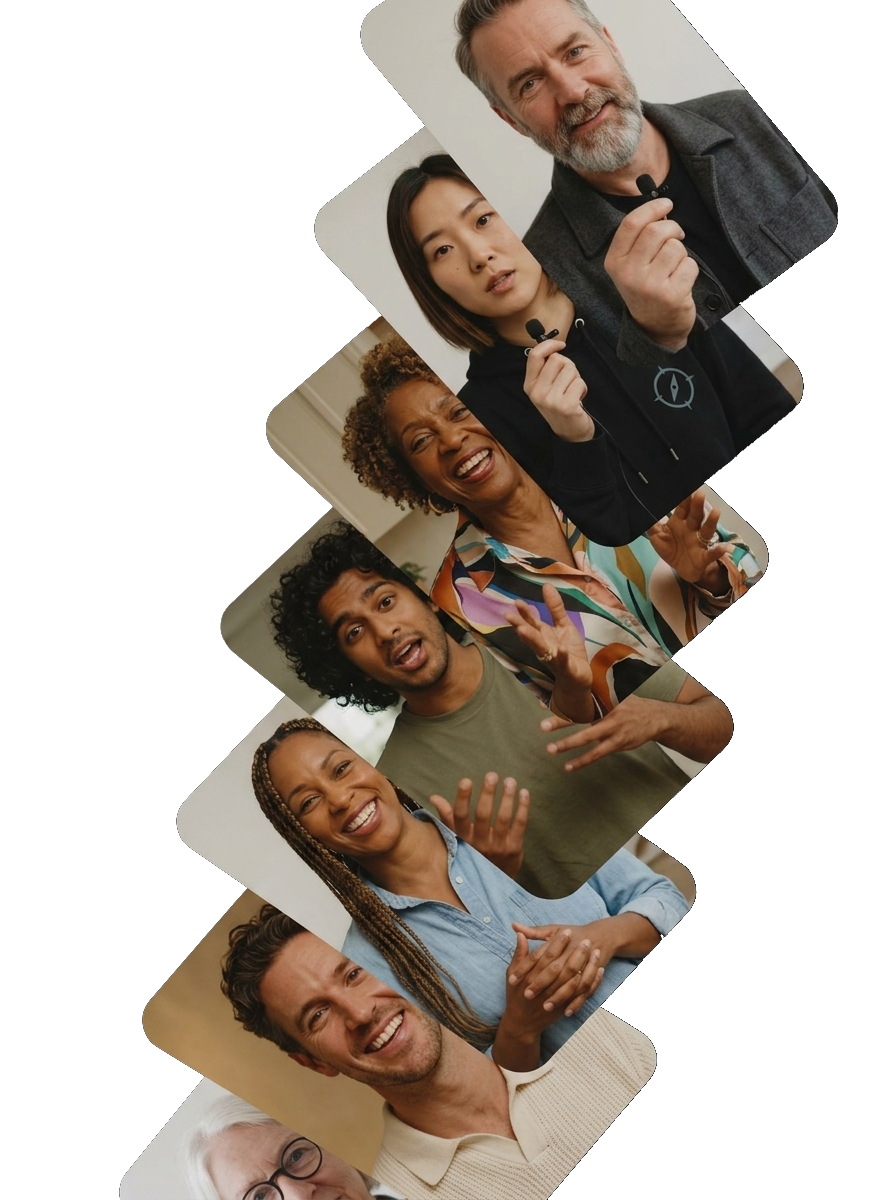
Generate podcast-style ads from one brief. More hooks, more cuts, more tests — without the studio overhead.