



Used by ecommerce brands, agencies, and creators.
Eco-Friendly Products: Podcast Ads vs Influencer Ads on Facebook Marketplace
For eco-friendly brands advertising on Facebook Marketplace: should you use podcast-style ads or influencer ads? The answer depends on speed, cost, and what sustainable product DTC brands respond to on Marketplace Ads.
Eco-Friendly Products + Facebook Marketplace: podcast ads vs influencer ads.
Influencer Ads strength: built-in audience trust.
Podcast ads strength: speed and message control on Facebook Marketplace.
Products: reusable bags, bamboo toothbrushes, compostable packaging alternatives.
Influencer Ads for eco-friendly brands on Facebook Marketplace
Influencer Ads on Facebook Marketplace offers built-in audience trust and native platform feel. For eco-friendly products like reusable bags, this can work — but high and unpredictable cost per creator and usage rights complexity.
Podcast-style ads for eco-friendly on Facebook Marketplace
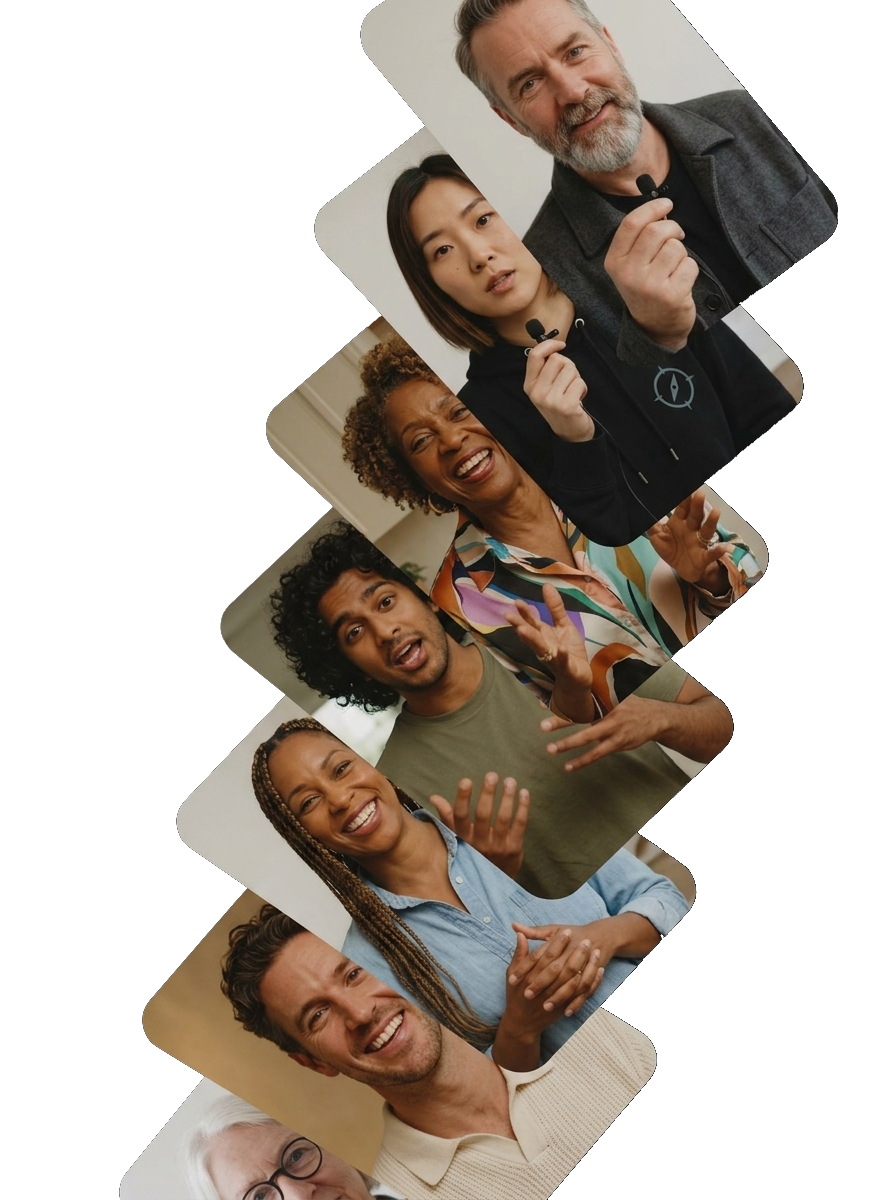
Podcast-style ads on Facebook Marketplace give eco-friendly brands full message control in 1:1, 15–30s format. Eco-conscious buyers want to understand the real impact behind a product, not just see a green label. Podcast-style ads provide the time and conversational depth to explain sourcing, materials, and environmental impact without sounding preachy. On Facebook Marketplace specifically, the conversational format earns higher watch time than influencer ads.
Full message control for eco-friendly products.
Minutes to first Facebook Marketplace ad.
1:1, 15–30s format optimized for Marketplace Ads.
Common questions
Clear answers to help you decide if podcast-style ads are worth testing.
Which format for eco-friendly on Facebook Marketplace?
Podcast-style ads for fast testing. Influencer Ads when built-in audience trust matters most. Most eco-friendly brands use both.
Cost comparison?
Podcast-style ads: flat subscription, unlimited. Influencer Ads: High and unpredictable cost per creator.
Ready to create ads that convert?
Generate podcast-style ads from one brief. More hooks, more cuts, more tests — without the studio overhead.