


Used by ecommerce brands, agencies, and creators.
Creative Testing Podcast Ads for Cycling
Run structured experiments to find winning hooks and angles. For cycling brands, this means creative testing creative that speaks to DTC bike brands — addressing high price points for quality bikes create a long consideration and research phase with the right message at the right time. Timeline: Weekly cadence.
Creative Testing creative built for cycling products like cycling jerseys, bike lights and accessories, indoor trainers.
Addresses the cycling challenge: high price points for quality bikes create a long consideration and research phase.
Timeline: Weekly cadence — fast enough for cycling creative testing.
Angles tailored to DTC bike brands and cycling apparel companies.
$60–500
Avg cycling order value
Weekly cadence
Creative Testing timeline
3–5
Recommended angles to test
Why creative testing matters for cycling brands
Run structured experiments to find winning hooks and angles. In cycling, this is especially critical because high price points for quality bikes create a long consideration and research phase. When DTC bike brands face a creative testing moment — whether driven by spring riding season prep + summer peak + holiday gifting for cyclists or a new cycling jerseys drop — the creative needs to land immediately.
Cycling creative testing also carries a unique challenge: fit and sizing anxiety prevents online purchasing of frames. Podcast-style ads address this by combining the educational depth cycling products require with the speed creative testing campaigns demand. Cyclists are passionate and community-driven. Podcast-style ads tap into the peloton culture — sharing ride stories and gear recommendations that feel like advice from a riding buddy, not a brand.
Cycling creative testing windows are defined by spring riding season prep + summer peak + holiday gifting for cyclists. The brands that win are the ones with creative ready before the peak — not scrambling when demand is already rising.
Creative strategy: cycling creative testing angles
The cycling creative angle that works for creative testing: Describe the ride — the morning climb, the descent, the post-ride coffee — and introduce the product as what made the ride better, faster, or more comfortable. Apply this structure to the creative testing context — lead with the urgency or opportunity that creative testing creates, then deliver the cycling story that earns the click.
Test three to five variations. One angle should lead with the cycling problem (high price points for). Another should lead with a specific product recommendation for cycling jerseys or bike lights and accessories. A third should handle the objection DTC bike brands are most likely to raise during a creative testing campaign.
Problem-first angle: lead with high price points for quality bikes create a long consideration and research phase and position the product as the solution.
Recommendation angle: frame cycling jerseys as the creative testing pick that DTC bike brands should not miss.
Objection-handling angle: address accessories and upgrades face competition from local bike shop recommendations head-on with conversational proof.
Seasonal angle: tie creative testing timing to spring riding season prep + summer peak + holiday gifting for cyclists for urgency.
Timing your cycling creative testing creative
For cycling creative testing, start Weekly cadence. That gives you time to generate initial concepts, test them in market, read performance data, and iterate on winners before the peak window arrives. With podcast-style ads, this entire cycle takes days instead of the weeks traditional cycling production requires.
Map your creative testing creative calendar to cycling seasonality: Spring riding season prep + summer peak + holiday gifting for cyclists. Each seasonal window should have its own set of podcast-style ad angles, each tailored to the cycling product that matters most in that window. A cycling jerseys angle for one season might be completely different from a indoor trainers angle for another.
Brief cycling creative testing angles early
Start Weekly cadence. Brief 3–5 angles targeting DTC bike brands with products like cycling jerseys and bike lights and accessories.
Generate and launch quickly
Podcads produces podcast-style video ads in minutes. Launch all angles simultaneously so the algorithm can surface winners among cycling buyers.
Read data within days
Identify which cycling hook — problem, recommendation, or objection-handling — earns the best response during the creative testing window.
Scale winners before the window closes
Double down on the winning cycling angle. Generate fresh variations of the winning hook to sustain performance through the rest of the creative testing period.
Common questions
Clear answers to help you decide if podcast-style ads are worth testing.
When should cycling brands start creative testing creative?
Weekly cadence. For cycling products, this timing is especially important because spring riding season prep + summer peak + holiday gifting for cyclists creates narrow windows. Starting early gives you time to test angles across products like cycling jerseys, bike lights and accessories, indoor trainers and iterate before peak demand.
What cycling products work best for creative testing podcast ads?
Products with clear differentiation and strong offers — like cycling jerseys or bike lights and accessories. For creative testing specifically, choose the cycling product that best matches the campaign moment. Describe the ride — the morning climb, the descent, the post-ride coffee — and introduce the product as what made the ride better, faster, or more comfortable.
How many creative testing ad angles should cycling brands test?
Three to five distinct angles per creative testing cycle. For cycling brands, each angle should test a different hook targeting DTC bike brands: a problem-first angle, a product recommendation, and an objection handler. This gives you enough data to identify winners without diluting spend.
Ready to create ads that convert?
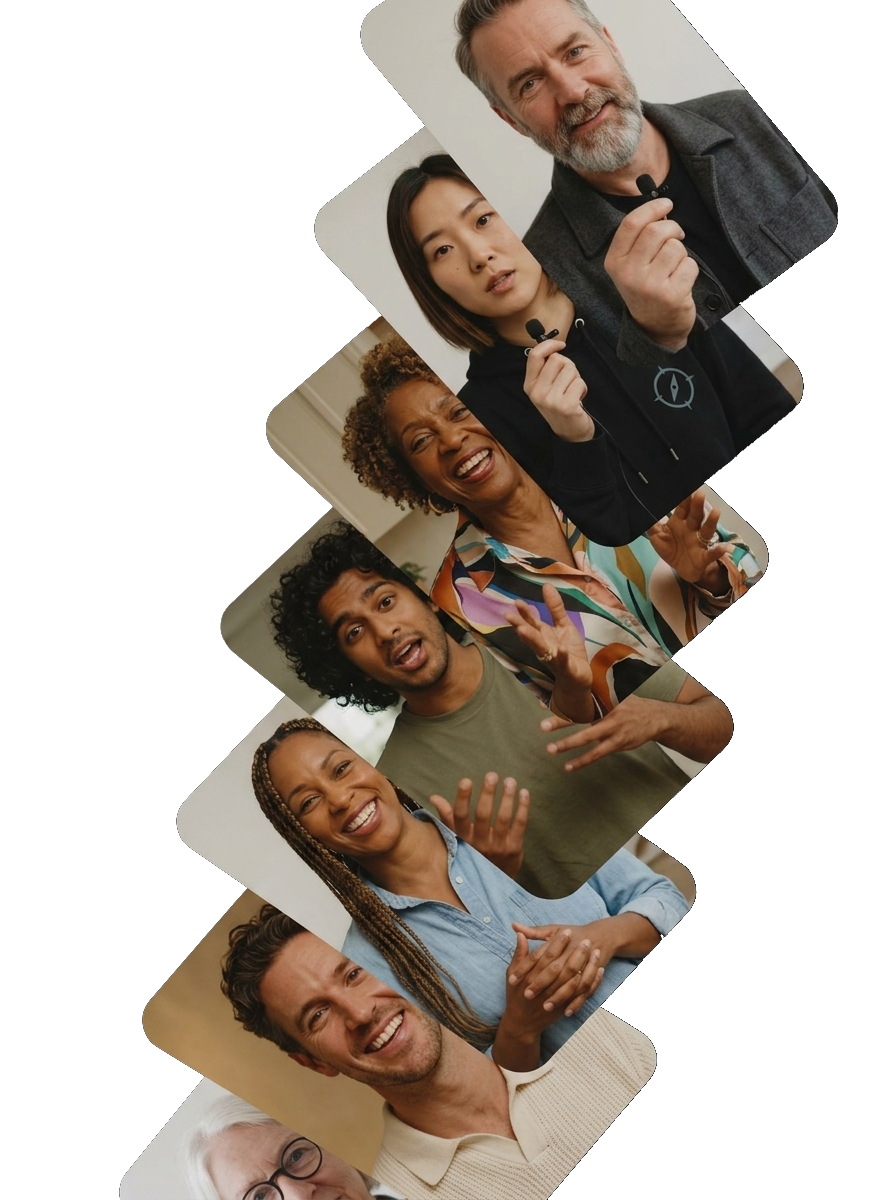
Generate podcast-style ads from one brief. More hooks, more cuts, more tests — without the studio overhead.