
Used by ecommerce brands, agencies, and creators.
Flash Sale Camera & Photography Ads for Agencies
Agencies in the camera and photography space running flash sale campaigns need creative that moves fast. Client expectations vs. production margins — and flash sale timelines (3–5 days before the drop) make it worse. Podcads solves both.
Camera & Photography × Agencies × Flash Sale.
Timeline: 3–5 days before the drop.
Workflow: Client brief → Generate concepts → Present directions → Iterate winners.
Products: mirrorless cameras, camera bags.
The agencies challenge: camera and photography flash sale
Client expectations vs. production margins. In camera and photography, this is compounded by spec-heavy products create analysis paralysis that short-form ads cannot resolve. When a flash sale campaign hits with a timeline of 3–5 days before the drop, agencies cannot afford production delays.
Photography gear buyers research extensively and trust peer opinions. Podcast-style ads provide the in-depth, real-world usage context that spec sheets and product photos cannot — like hearing a photographer friend explain why they switched gear. For agencies specifically: Client brief → Generate concepts → Present directions → Iterate winners — adapted for camera and photography flash sale.
The playbook
Agencies running camera and photography flash sale campaigns:
Brief early
Start 3–5 days before the drop. Pick mirrorless cameras or camera bags.
Generate angles
3–5 camera and photography hooks targeting camera accessory DTC brands.
Launch fast
Present directions → Iterate winners.
Iterate
Read data in days. Scale winners.
Common questions
Clear answers to help you decide if podcast-style ads are worth testing.
How do agencies handle camera and photography flash sale?
With Podcads: Client brief → Generate concepts → Present directions → Iterate winners. Fits within 3–5 days before the drop.
How many angles to test?
3–5 per cycle for camera and photography products.
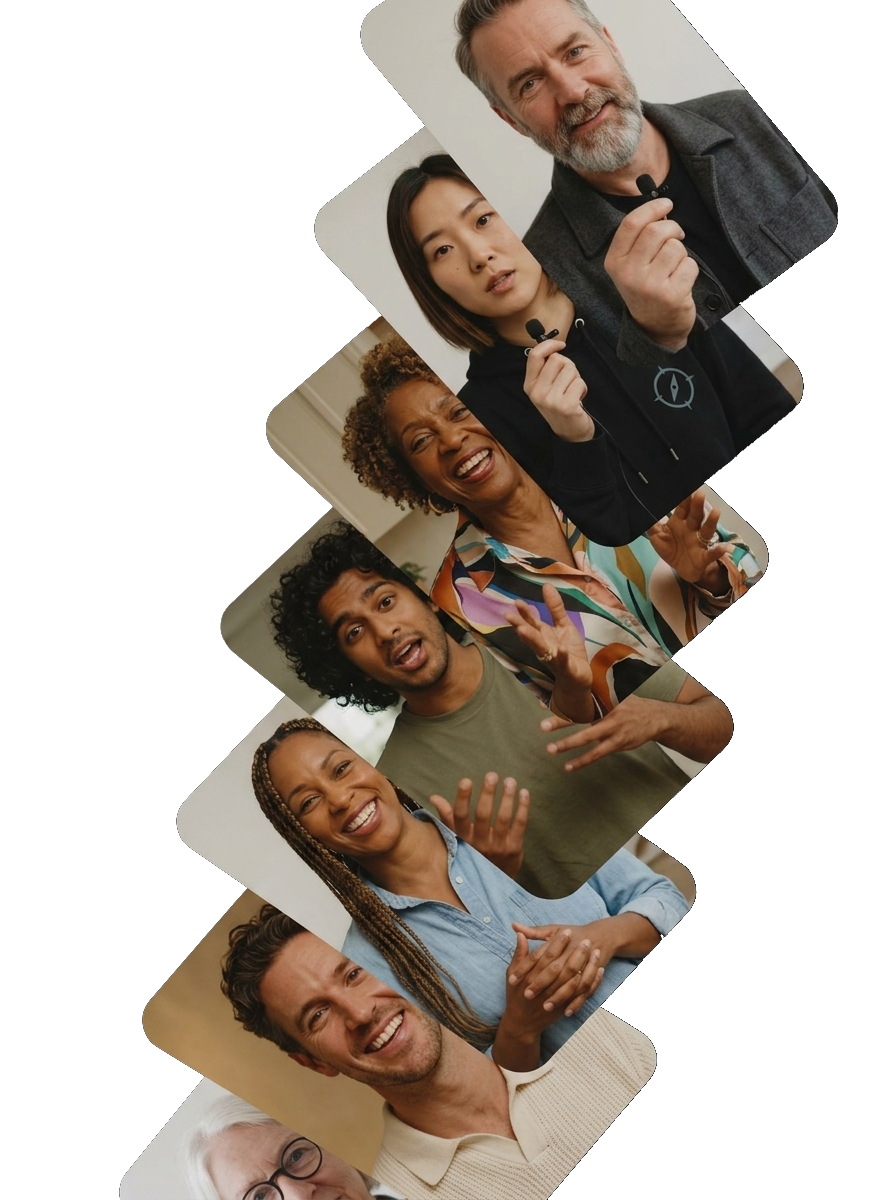
Ready to create ads that convert?
Generate podcast-style ads from one brief. More hooks, more cuts, more tests — without the studio overhead.